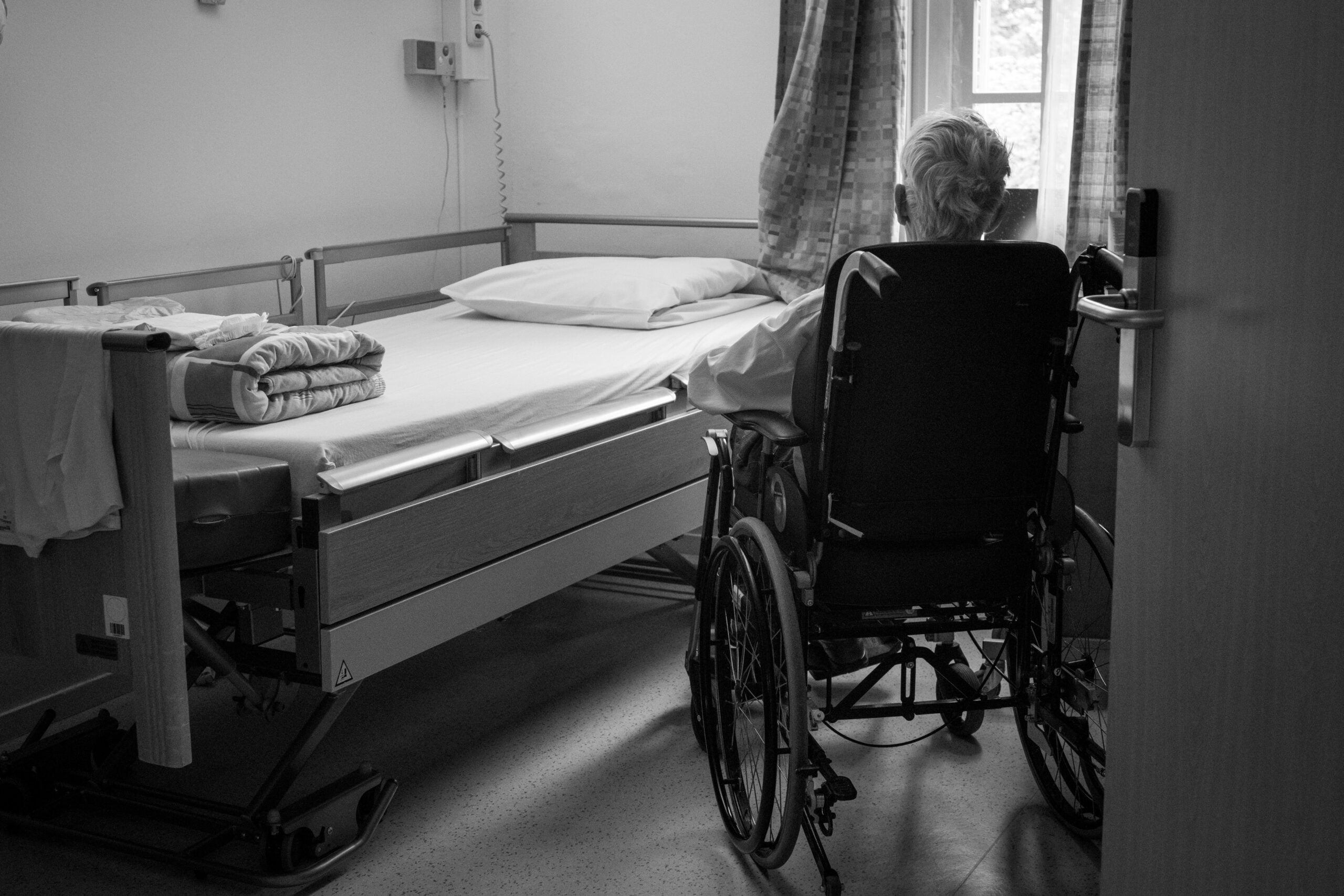
Bringing an aging parent or loved one home from the hospital can bring relief—but it can also create uncertainty.
Hospital stays are often exhausting, and discharge instructions may feel overwhelming. Families can suddenly find themselves responsible for new medications, mobility limitations, follow-up appointments, dietary instructions, personal care needs, and medical equipment.
The first 72 hours after a hospital discharge can be especially important. A little preparation can make the transition home safer, calmer, and more manageable for everyone involved.
Why the Transition Home Can Be Difficult for Older Adults
Returning home does not necessarily mean that an older adult has fully recovered.
Your loved one may still be weak, tired, uncomfortable, confused, or unsteady. A familiar home may also contain obstacles that were not a concern before hospitalization, such as stairs, loose rugs, low furniture, poor lighting, or a bathroom without grab bars.
The Centers for Disease Control and Prevention notes that the risk of falling is elevated during the month after leaving the hospital.
Before discharge, families should understand what their loved one can safely do independently—and where assistance may be necessary.
A Senior Care Checklist for the First 72 Hours
1. Review the Discharge Instructions Before Leaving
Do not wait until you arrive home to read the discharge paperwork.
Ask the hospital team to clearly explain:
- Why your loved one was hospitalized
- What treatments were provided
- What symptoms are expected during recovery
- Which symptoms require a call to the doctor
- Which symptoms may require immediate medical attention
- Any restrictions involving activity, bathing, driving, lifting, or diet
- Who to contact with questions after discharge
Write down important names and telephone numbers. Include the primary care physician, specialists, pharmacy, hospital discharge planner, home health provider, and any other professionals involved in the recovery plan.
Medicare recommends that patients and caregivers ask specifically about possible complications, where follow-up care will occur, and whom to contact with questions or concerns.
2. Confirm the Medication List
Medication instructions can change during a hospitalization.
Some medications may have been added, discontinued, or adjusted. Families should not assume that the medication routine used before hospitalization remains correct.
Before leaving the hospital:
- Request an updated medication list
- Ask which previous medications should be stopped
- Confirm the correct dosage and timing of each medication
- Ask whether medications should be taken with food
- Discuss possible side effects
- Make sure prescriptions are sent to the correct pharmacy
- Ask whether over-the-counter medications and supplements may still be used
Clear communication about medications is an important part of reducing medication-related problems during the transition from the hospital to the home.
Once home, keep the updated medication list in an accessible place and share it with the appropriate healthcare providers.
3. Prepare the Home for Safer Movement
A loved one who walked independently before hospitalization may now need assistance, supervision, or an assistive device.
Before your loved one arrives home, walk through the areas they will use most frequently.
Look for potential hazards such as:
- Loose rugs
- Electrical cords
- Cluttered walkways
- Poor lighting
- Slippery bathroom floors
- Unstable chairs
- Pets underfoot
- Frequently used items stored too high or too low
Make sure there is a clear route between the bedroom, bathroom, kitchen, and main living area.
The CDC recommends keeping floors free of clutter, improving lighting, securing or removing throw rugs, and installing bathroom grab bars and stairway handrails when appropriate.
4. Make Sure Medical Equipment Is Ready
Your loved one may need equipment that was not previously used, including:
- A walker or cane
- A wheelchair
- A shower chair
- A bedside commode
- Grab bars
- A hospital bed
- Oxygen equipment
- Wound-care supplies
Ask who is responsible for ordering and delivering each item. Whenever possible, have the necessary equipment in the home before discharge.
Families should also request instruction on how to safely use unfamiliar equipment. Do not hesitate to ask hospital staff to demonstrate a task more than once.
5. Plan for Meals and Hydration
Older adults may return home with a reduced appetite, dietary restrictions, swallowing concerns, or limited energy for cooking.
Prepare simple meals that follow the discharge instructions. Make sure drinks, snacks, and commonly used kitchen items are easy to reach.
During the first few days, watch for signs that your loved one may not be eating or drinking enough, including:
- Unusual weakness
- Dry mouth
- Dizziness
- Increased confusion
- Dark urine
- Very limited food intake
Contact the appropriate healthcare professional when symptoms are concerning or when you are unsure how to follow the prescribed diet.
6. Arrange Help With Personal Care
Bathing, dressing, toileting, grooming, and transferring can become more difficult after a hospitalization.
Ask your loved one what feels difficult rather than assuming they can resume their previous routine immediately.
Medicare’s discharge-planning checklist specifically encourages families to discuss whether the patient will need help bathing, dressing, using the bathroom, climbing stairs, preparing meals, cleaning, shopping, and traveling to appointments.
Temporary assistance can protect your loved one’s safety and dignity while allowing family members to focus on recovery instructions and emotional support.
7. Schedule Follow-Up Appointments
Confirm all recommended appointments before leaving the hospital whenever possible.
Write down:
- The date and time
- The provider’s name
- The office location
- Transportation arrangements
- Tests or paperwork that must be completed
- Questions the family wants to ask
Place the information somewhere visible and add it to the calendars of everyone involved in the care plan.
Also confirm whether the follow-up will be in person, by telephone, or through a virtual visit.
8. Decide Who Will Be Present During the First Few Days
One of the most important questions is whether your loved one can safely be left alone.
Consider whether they can:
- Get in and out of bed safely
- Walk to the bathroom
- Use the toilet independently
- Prepare food and drinks
- Follow the medication schedule
- Recognize an emergency
- Use a phone to request assistance
- Remain safely oriented during the night
Some older adults may need only a few hours of assistance each day. Others may benefit from overnight supervision or continuous support during the earliest stage of recovery.
The appropriate level of help should be based on the person’s current abilities—not solely on what they could do before hospitalization.
9. Watch for Changes and Know When to Call
Before discharge, ask the healthcare team which changes should be reported.
Depending on the condition, concerning symptoms may include:
- Increasing pain
- Difficulty breathing
- Fever
- New confusion
- Severe weakness
- Dizziness or fainting
- A fall
- Worsening swelling
- Redness, drainage, or changes around an incision
- Inability to eat, drink, urinate, or take prescribed medications
This list is not comprehensive. Families should follow the specific instructions provided by the hospital and treating healthcare professionals.
Call 911 for a medical emergency.
10. Do Not Expect One Family Member to Handle Everything
Hospital-to-home care can involve medications, meals, transportation, personal care, household tasks, medical appointments, nighttime assistance, and communication with healthcare providers.
That can quickly become too much for one person.
Create a written plan that identifies who will handle each responsibility. When family members are unavailable or live outside the area, professional support can help fill important gaps.
How Home Care Can Support Recovery After Hospital Discharge
Nonmedical home care can provide practical assistance during the transition home.
Depending on the individual’s needs and care plan, an independent caregiver may assist with:
- Bathing, dressing, and grooming
- Mobility and transfers
- Meal preparation
- Medication reminders
- Light housekeeping
- Transportation and errands
- Companionship
- Overnight supervision
- Respite for family caregivers
- Continuous support when extended care is needed
Home care does not replace medical care or the instructions of a physician, nurse, therapist, or other healthcare professional. Instead, it can help families carry out the daily routine that supports a safer and more comfortable recovery at home.
A Safer Recovery Starts Before Discharge
The transition home should not begin when the car pulls into the driveway.
Families can prepare by reviewing medications, arranging equipment, removing fall hazards, planning meals, scheduling appointments, and deciding who will be available to help.
Even when assistance is temporary, having dependable support during the first several days can reduce stress and help an older adult regain strength and confidence at an appropriate pace.
How Collier Home Care Can Help
Collier Home Care is a Florida-licensed nurse registry serving seniors and families throughout Naples and Southwest Florida. We refer qualified independent caregivers who may assist with personal care, companionship, meal preparation, transportation, medication reminders, overnight supervision, respite care, and around-the-clock support.
Whether your loved one is returning home after a hospitalization, rehabilitation stay, illness, or procedure, our team can help you explore care options based on your family’s schedule and needs.
Contact Collier Home Care to learn more about arranging dependable support at home.
Frequently Asked Questions
How soon should home care be arranged after a hospital discharge?
Ideally, families should begin discussing post-hospital support before the patient leaves the hospital. This provides time to evaluate the person’s needs, prepare the home, arrange equipment, and coordinate assistance for the day of discharge.
Should an older adult be left alone after leaving the hospital?
That depends on the person’s mobility, cognition, medication needs, personal-care abilities, and discharge instructions. Families should ask the hospital team whether the patient can safely be left alone and for how long.
What is the difference between home care and home health care?
Home care generally provides nonmedical assistance with daily activities such as bathing, dressing, meal preparation, companionship, transportation, and household tasks. Home health care provides medically necessary services ordered by a healthcare provider, such as skilled nursing or therapy.
Some older adults receive both types of support.
Can a caregiver help with medications after a hospital discharge?
An independent caregiver may provide medication reminders and appropriately permitted assistance with self-administration. A caregiver should not change a medication, dosage, or schedule or make clinical decisions. Medication questions should be directed to the appropriate physician, nurse, or pharmacist.
Can home care be used for only a few days?
Yes. Some families arrange temporary support during the first few days or weeks after a hospitalization, surgery, illness, or rehabilitation stay. The schedule can then be reevaluated as the older adult recovers.
When might overnight care be appropriate after hospitalization?
Overnight assistance may be considered when an older adult needs help using the bathroom, transferring from bed, walking safely, following nighttime instructions, or managing confusion or restlessness after dark.
Does Medicare pay for nonmedical home care?
Medicare generally does not cover ongoing custodial or nonmedical care when that is the only care a person needs. Coverage depends on the services, eligibility requirements, and care plan. Families should contact Medicare, their insurance provider, or another qualified benefits resource for guidance specific to their situation.
What should families bring home from the hospital?
Families should obtain the discharge instructions, updated medication list, prescriptions, follow-up appointment information, dietary guidance, equipment instructions, emergency contact information, and details about symptoms that should be reported.