Healthy eating is important at every age, but good nutrition can become especially important as we grow older. National Nutrition Month, created by the Academy of Nutrition and Dietetics and observed each March, is a great reminder to look at everyday eating habits and consider simple ways to support better health.
For older adults, healthy eating doesn’t have to mean following a complicated diet. It can be as simple as eating a variety of nutritious foods, staying hydrated, enjoying balanced meals, and getting a little help with grocery shopping or meal preparation when needed.
Why Is Healthy Eating Important for Seniors?
Food provides the energy and nutrients our bodies need to function. A balanced diet can help older adults maintain strength, support immune function, preserve muscle mass, and provide the energy needed for everyday activities.
Nutrition needs can also change with age. Appetite may decrease, medications or health conditions may affect food choices, and tasks such as grocery shopping and cooking can become more difficult.
That makes healthy eating for seniors about more than simply choosing nutritious foods. It also means making sure those foods are accessible, enjoyable, and practical to prepare.
Fill the Plate With Fruits and Vegetables
Fruits and vegetables provide vitamins, minerals, fiber, and other nutrients that are important to a balanced diet.
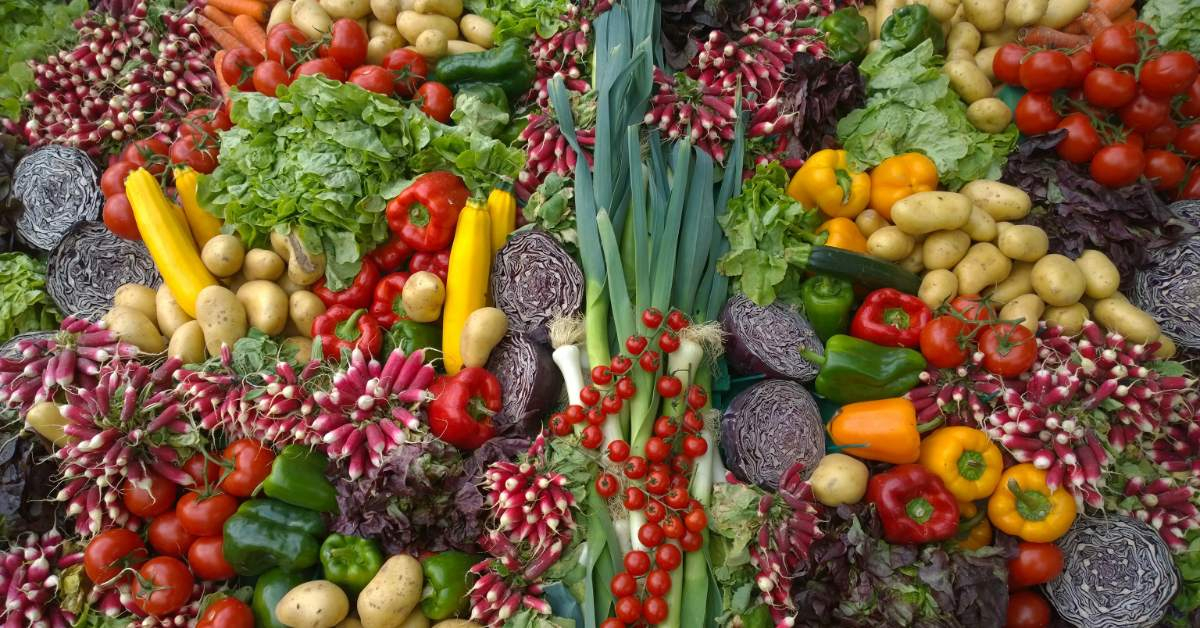
One easy approach is to include a variety of colors throughout the week. Different fruits and vegetables provide different nutrients, so variety can help create a more balanced eating pattern.
Some easy options for older adults include:
- Berries, bananas, oranges, and melon
- Leafy greens and broccoli
- Carrots, squash, and sweet potatoes
- Tomatoes and red peppers
- Beans and peas
- Frozen fruits and vegetables when fresh options are not convenient
Frozen and canned produce can also be nutritious choices. When possible, look for options without added sugar and with lower amounts of sodium.
Don’t Forget Protein
Protein becomes particularly important as we age because it helps support muscle mass and strength.
Healthy sources of protein may include eggs, fish, poultry, beans, lentils, yogurt, cottage cheese, nuts, and other foods based on an individual’s preferences and dietary needs.
Some older adults find large meals difficult to finish. In those cases, smaller meals or snacks containing protein throughout the day may be easier and more appealing.
Anyone with specific medical conditions or dietary restrictions should follow the recommendations of their physician or registered dietitian.
Pay Attention to Portion Sizes — But Also Appetite
Portion control is often associated with avoiding overeating, but senior nutrition requires looking at the bigger picture.
For some older adults, the greater concern may actually be eating too little.
Changes in appetite, taste, mobility, medications, loneliness, or difficulty preparing food can sometimes lead an older adult to skip meals or eat less than they once did.
Rather than focusing only on smaller portions, the goal should be balanced meals in amounts that meet the individual’s nutritional needs.
Family members may want to pay attention to noticeable changes such as unexplained weight loss, consistently unfinished meals, or an increasingly empty refrigerator and discuss concerns with the person’s healthcare provider.
Hydration Is Part of Healthy Nutrition
Water may not be the first thing that comes to mind when thinking about nutrition, but hydration is an important part of healthy aging.
Some older adults may not feel thirst as strongly as they once did. Others may simply forget to drink throughout the day.
Keeping water within easy reach and drinking regularly with meals can help make hydration part of the daily routine.
Individual fluid needs can vary, particularly for people with certain medical conditions, so medical guidance should always take priority when a physician has recommended fluid restrictions or specific hydration goals.
Make Healthy Meals Appealing
Healthy food doesn’t have to be boring.
Color, flavor, texture, and variety can make meals more enjoyable. Think of a plate with grilled chicken or fish, colorful vegetables, whole grains, and fresh fruit rather than a restrictive “diet meal.”
Meals can also provide something equally important: connection.
Whenever possible, sitting down with a family member, friend, or companion can make mealtime more enjoyable and may encourage an older adult to eat more consistently.
When Grocery Shopping and Cooking Become Difficult
Knowing what to eat and being able to prepare it are two different things.
For older adults, everyday obstacles can make good nutrition harder than it sounds. Driving to the grocery store may no longer be comfortable. Walking through a large store can be tiring. Carrying groceries may be difficult. Standing long enough to prepare a meal can become challenging.
As a result, someone who once prepared fresh meals regularly may begin relying on convenience foods, skipping meals, or eating the same few foods repeatedly.
This is where a little support can make a significant difference.
How Can Home Care Help With Senior Nutrition?
An independent care provider referred through a nurse registry can assist with many of the everyday tasks that make healthy eating easier to maintain at home.
Depending on the client’s needs and the services agreed upon between the client and care provider, assistance may include:
- Grocery shopping
- Picking up groceries or household supplies
- Meal planning
- Preparing meals
- Preparing snacks for later
- Washing dishes and cleaning the kitchen
- Providing companionship during meals
- Helping maintain a regular daily routine
For an older adult who wants to remain independent at home, this type of practical assistance can remove some of the obstacles that make eating well more difficult.
At Collier Home Care, we refer independent care providers to families throughout the Naples area based on each client’s individual needs, preferences, schedule, and personality.
Healthy Eating Doesn’t Have to Be Complicated
National Nutrition Month is a good opportunity for families to look beyond what’s on the plate and consider what might be making healthy eating more difficult.
Does Mom still enjoy cooking but need someone to pick up groceries? Is Dad skipping meals because preparing food feels like too much work? Would having someone there at mealtime make the day more enjoyable?
Sometimes maintaining good nutrition isn’t about completely changing someone’s diet. It’s about providing enough support to make healthy choices easier.
If you or a loved one could benefit from assistance with grocery shopping, meal preparation, companionship, or other activities of daily living, Collier Home Care can help connect you with an independent care provider who fits your needs.
Call (239) 920-3902 to learn more about our personalized care provider referral services in Naples and surrounding Southwest Florida communities.
Frequently Asked Questions About Senior Nutrition and Home Care
Why is good nutrition important for older adults?
Good nutrition helps provide the energy, protein, vitamins, minerals, and other nutrients the body needs to function. For older adults, eating well can also help support strength, muscle maintenance, immune function, and overall well-being.
What are some healthy foods for seniors?
Healthy choices can include fruits, vegetables, whole grains, lean proteins, dairy or appropriate alternatives, beans, nuts, and healthy fats. Individual dietary needs vary, particularly when someone has a medical condition, so recommendations from a physician or registered dietitian should always be followed.
Why do some seniors lose interest in food?
Appetite may change with age for many reasons, including changes in taste or smell, medications, medical conditions, mobility challenges, difficulty cooking, or eating alone. Significant changes in appetite or unexplained weight loss should be discussed with a healthcare professional.
Can a home care provider prepare meals for an older adult?
Yes. Depending on the client’s needs and the arrangement with the independent care provider, assistance can include grocery shopping, meal preparation, kitchen cleanup, and companionship during meals.
Can home care help if my parent only needs help with meals and groceries?
Yes. Home care does not necessarily mean someone needs extensive personal assistance. Some older adults primarily need help with household tasks such as grocery shopping, meal preparation, errands, or companionship.
How can I tell if my parent may need help with meals?
Possible signs include frequently skipped meals, expired food in the refrigerator, unexplained weight loss, difficulty shopping, relying heavily on convenience foods, or saying that cooking has become tiring or difficult. These signs don’t necessarily mean full-time care is needed, but they may indicate that some additional support could help.