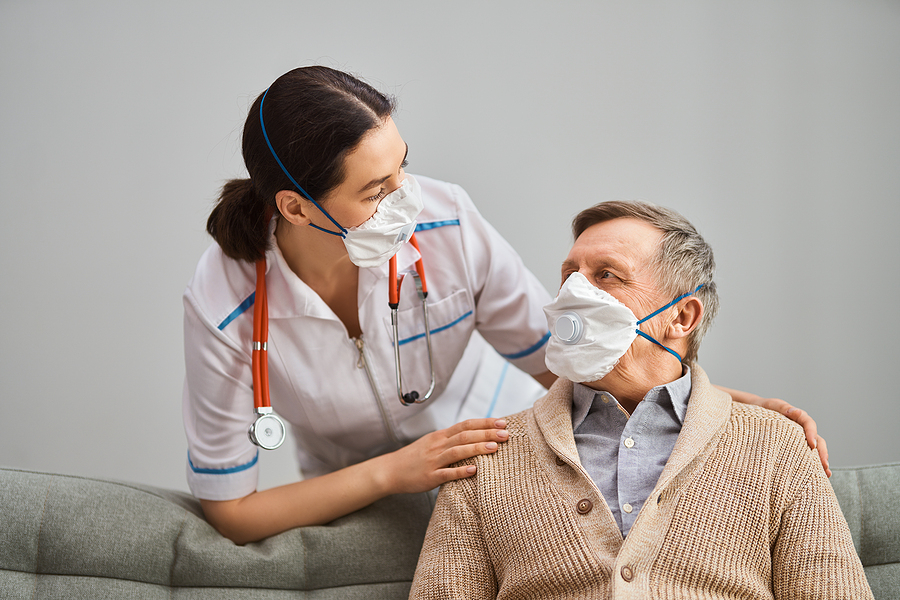
The COVID-19 pandemic changed the way families think about home care safety. During the height of the pandemic, masks, testing, personal protective equipment, social distancing, and infection-control precautions became part of everyday life.
While many of the emergency requirements used during the pandemic are no longer in place, COVID-19 permanently reinforced something families of older adults already understood: preventing illness and protecting vulnerable seniors matters every day—not only during a pandemic.
Today, the lessons learned from COVID-19 continue to influence how families, independent care providers, healthcare professionals, and senior communities approach respiratory illnesses such as COVID-19, influenza, RSV, and other contagious infections.
For families considering private duty home care in Naples and Southwest Florida, those lessons can also help create a safer and more comfortable environment for an aging loved one.
Why Infection Prevention Is Especially Important for Older Adults
Older adults are generally at greater risk of becoming seriously ill from respiratory infections. Age, chronic medical conditions, weakened immune systems, and frailty can all increase that risk.
The CDC continues to identify older adults among those at increased risk for severe illness from respiratory viruses such as COVID-19, influenza, and RSV.
That makes everyday precautions particularly important when someone is receiving care in the home.
Simple practices such as hand hygiene, staying home when sick, cleaning frequently touched surfaces, improving indoor air quality when practical, and using additional precautions during illness can help reduce exposure.
Staying Home When Sick Is Still One of the Most Important Precautions
One of the most lasting lessons from the pandemic is also one of the simplest: people who are sick should avoid exposing vulnerable individuals whenever possible.
Current CDC guidance recommends that people with respiratory-virus symptoms stay home and away from others until their symptoms are improving overall and they have been fever-free for at least 24 hours without fever-reducing medication. Additional precautions may be appropriate for several days afterward.
For seniors receiving in-home care, communication is especially important.
If a referred independent care provider becomes ill, the client, family, care provider, and registry should communicate promptly so appropriate arrangements can be considered.
Similarly, families should let the care provider know when a client or household member develops symptoms of a contagious illness.
Open communication helps everyone make informed decisions while reducing unnecessary exposure.
Hand Hygiene and Everyday Infection Prevention Still Matter
COVID-19 brought infection prevention into the spotlight, but many of those practices were important long before 2020.
Regular handwashing remains an important part of reducing the spread of illness.
Care providers may wash their hands when entering the home, before and after providing personal care, after using gloves, before food preparation, after assisting with toileting, and whenever hands may have become contaminated.
Frequently touched items and surfaces may also deserve additional attention, including:
- Door handles
- Bathroom fixtures
- Kitchen counters
- Phones and tablets
- Remote controls
- Mobility equipment
- Frequently used medical equipment
These are simple precautions, but they can become particularly valuable when someone in the household is ill.
What About Masks and Personal Protective Equipment?
During the COVID-19 pandemic, widespread masking and PPE requirements became common.
Today, the appropriate precautions depend on the circumstances.
A well-fitting mask may still be helpful when a client or care provider has recently been ill, when respiratory illnesses are circulating heavily in the community, when someone has had a known exposure, or when an individual is particularly vulnerable to severe illness.
The CDC continues to identify masking, hand hygiene, cleaner air, physical distancing, screening, and cleaning as tools that can help reduce transmission of respiratory viruses in healthcare environments.
Gloves also remain appropriate for specific care activities in which exposure to blood, bodily fluids, mucous membranes, or other potentially infectious materials may occur.
Rather than treating masks and gloves as universal pandemic-era requirements, they should be used appropriately based on the task, individual circumstances, current guidance, and any requirements established by a healthcare or senior-living facility.
Home Care Can Reduce the Number of Daily Contacts
One reason many families became interested in in-home care during COVID-19 was the ability for an older adult to receive assistance in familiar surroundings rather than routinely traveling outside the home.
Private duty home care can still provide that advantage today.
Depending on the client’s needs, an independent care provider may assist with:
- Bathing and personal care
- Dressing and grooming
- Toileting
- Ambulation and transfers
- Meal preparation
- Light housekeeping
- Medication reminders or permitted assistance
- Errands
- Transportation
- Companionship
- Overnight assistance
Receiving this support at home may allow an older adult to maintain daily routines while limiting unnecessary trips and exposures.
Consistency of Care Can Be an Important Safety Benefit
Another lesson reinforced during the pandemic was the value of caregiver consistency.
Having a small, consistent group of independent care providers allows the client and caregivers to become familiar with one another.
A regular care provider may become familiar with a person’s usual routines, mobility, appetite, behavior, and general appearance.
That familiarity can make subtle changes easier to notice.
For example, a care provider might observe that a client seems unusually fatigued, is eating less, appears confused, has developed a cough, or simply doesn’t seem like themselves.
The care provider can then communicate those observations to the client or appropriate family member so they can determine whether additional attention is needed.
COVID-19 Also Taught Us That Social Isolation Has Consequences
Preventing infection was extremely important during the pandemic, but prolonged isolation created another challenge for many older adults.
Visits decreased. Activities stopped. Community events were canceled. Some seniors had very little face-to-face interaction for extended periods.
The experience highlighted how important companionship and social engagement can be for older adults.
An independent companion or care provider can help an aging adult remain engaged through activities such as:
- Conversation
- Walks
- Games and hobbies
- Reading
- Meal preparation
- Gardening
- Accompanying the client on errands
- Transportation to appointments or social activities
- Connecting with friends and family
Home care isn’t only about completing tasks. Sometimes simply having another person present can add structure, stimulation, and connection to someone’s day.
Respiratory Illness Safety Goes Beyond COVID-19
COVID-19 receives less attention than it did during the pandemic, but respiratory illnesses remain an important consideration for older adults.
Influenza, COVID-19, and RSV can all cause serious illness, particularly among people who are older or medically vulnerable. For example, the CDC identifies adults age 75 and older, as well as certain adults ages 50–74 with increased risk factors, as groups for whom RSV can be particularly concerning.
Families should therefore think about infection prevention as an ongoing part of senior home care, rather than something that ended with the pandemic.
If a loved one has significant medical conditions or questions about vaccination, testing, treatment, or respiratory symptoms, those questions should be discussed with the person’s physician or other qualified healthcare professional.
What Is Collier Home Care’s Role as a Florida Nurse Registry?
It is important to understand that a Florida nurse registry is different from a traditional home health agency.
Florida describes a nurse registry as an organization that offers healthcare-related contracts for nurses, home health aides, certified nursing assistants, homemakers, and companions in patients’ homes and may also refer professionals for temporary staffing in healthcare facilities.
Collier Home Care refers qualified independent care providers based on the client’s requested services, schedule, personality preferences, and care needs.
Depending on those needs, referrals may include:
- Certified Nursing Assistants (CNAs)
- Home Health Aides (HHAs)
- Homemakers and companions
- Licensed Practical Nurses (LPNs)
- Registered Nurses (RNs)
Our goal is to help families find an independent care provider who is well suited to their particular situation while preserving the flexibility that private duty home care can provide.
Home Care Safety Is About Preparation, Communication, and Consistency
The COVID-19 pandemic transformed home care, but perhaps its most valuable lesson was that safety isn’t created by a single policy.
It comes from many small actions working together.
Good communication.
Appropriate infection-control precautions.
Staying home when sick.
Hand hygiene.
Awareness of changes in a client’s condition.
Consistency whenever possible.
And a willingness to adjust when circumstances change.
Those principles mattered during the pandemic, and they continue to matter today.
Looking for Private Duty Home Care in Naples?
If you or a loved one needs assistance at home, Collier Home Care can help you explore options for private duty home care in Naples and Collier County.
Whether you need a few hours of assistance, companionship, personal care, overnight support, or more extensive care, we can help identify independent care providers whose experience, availability, and personality may be a good fit for your family’s needs.
Call Collier Home Care at (239) 920-3902 to discuss your situation and learn more about available care-provider referrals.
Frequently Asked Questions
Is COVID-19 testing still required for home caregivers?
The broad COVID-19 testing programs and pandemic-era requirements that were common in 2020 should not be described as current universal requirements. Testing may still be appropriate depending on symptoms, exposure, facility requirements, current public-health recommendations, or an individual’s circumstances.
Should a caregiver wear a mask while providing home care?
Not necessarily at all times. Masking may be appropriate when someone is sick, following a respiratory illness or exposure, when respiratory-virus activity is elevated, or when a client is particularly vulnerable. Clients and independent care providers can also discuss individual preferences.
What should happen if a home care provider becomes sick?
The care provider should communicate promptly with the client or family and follow current health recommendations. When appropriate, the family may contact the nurse registry about possible alternative referrals.
Can home care help reduce a senior’s exposure to illness?
Home care may allow an older adult to receive assistance with everyday activities without making as many trips outside the home. However, no care arrangement can eliminate the possibility of exposure to contagious illnesses.
Why is consistency important in senior home care?
A consistent care provider becomes familiar with the client’s normal habits, routines, personality, mobility, and general condition. This familiarity can help the care provider recognize and communicate changes that family members may want to investigate.
Does Collier Home Care employ caregivers?
Collier Home Care is a Florida-licensed nurse registry that refers independent care providers rather than employing them as agency caregivers. Clients and care providers can determine whether a referral is the right fit for their individual needs.