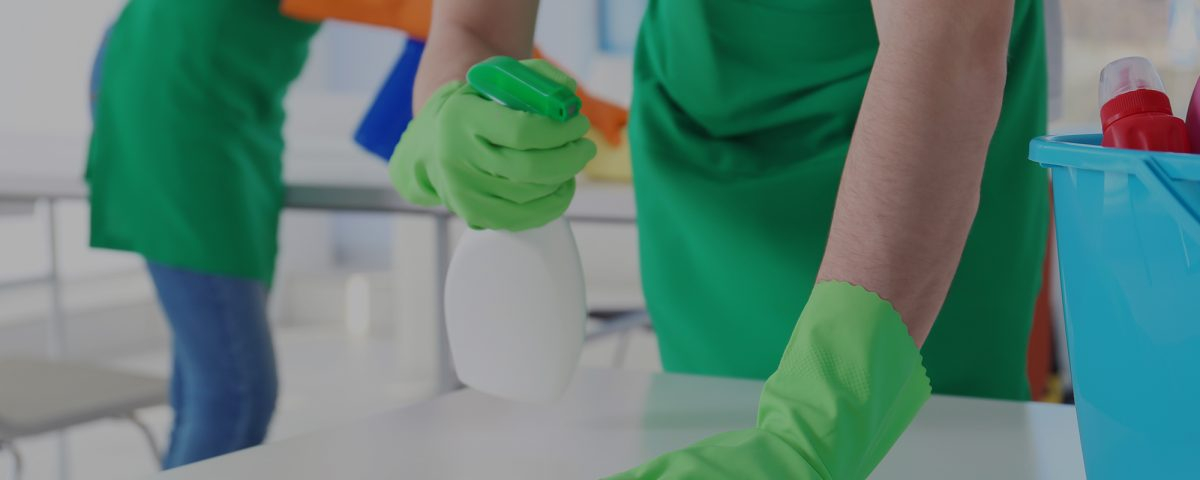
Keeping a home clean is about more than appearances. For older adults, maintaining a clean and well-organized living environment can help reduce exposure to germs, make everyday tasks easier, and create a safer, more comfortable place to age at home.
Fortunately, keeping a senior’s home clean does not mean disinfecting every surface constantly. Focusing on frequently touched areas, cleaning up spills promptly, practicing good hand hygiene, and maintaining a regular housekeeping routine can go a long way.
Here are several commonly overlooked areas that deserve a little extra attention.
1. Cell Phones and Tablets
Phones travel almost everywhere with us, yet they are easy to overlook when cleaning the home.
Throughout the day, a cell phone may come into contact with hands, countertops, purses, tables, and other surfaces. Regularly wiping down phones and tablets according to the manufacturer’s cleaning instructions can help keep these frequently handled devices cleaner.
For older adults who use a tablet for video calls, telehealth appointments, entertainment, or staying connected with family, it can be helpful to make device cleaning part of the regular household routine.
2. Door Handles and Appliance Handles
Think about how many times refrigerator handles, microwave handles, cabinet pulls, faucets, and door handles are touched during a typical day.
These high-touch surfaces are especially important in homes where several family members, visitors, or care providers come and go.
Include frequently touched handles in routine household cleaning, particularly in the kitchen and bathroom. A simple cleaning schedule can make it easier to remember areas that are otherwise easy to miss.
3. Light Switches
Light switches are another high-touch surface that often receives less attention than countertops or floors.
Switches near bedrooms, bathrooms, kitchens, and entryways may be touched repeatedly throughout the day. Adding them to a weekly cleaning routine—or more frequently when someone in the household is ill—can help maintain a cleaner home environment.
4. Television Remotes
The television remote may be one of the most frequently handled objects in a senior’s living room or bedroom.
Because remotes have numerous buttons and small crevices, they can easily collect dirt and residue. Cleaning them periodically according to the manufacturer’s recommendations can help keep them in better condition and reduce buildup from frequent handling.
The same applies to other frequently used electronics, including phones, tablets, computer keyboards, and medical alert devices.
5. Bathroom Surfaces
Bathrooms deserve particular attention because moisture and frequent use can make them more difficult to keep clean.
Regularly clean sinks, faucet handles, toilet handles, countertops, shower surfaces, and grab bars. Damp towels and bathmats should also be washed regularly and allowed to dry properly.
For seniors aging at home, bathroom cleanliness should be considered alongside bathroom safety. Keeping floors dry and pathways clear can help reduce the risk of slips and falls.
6. Kitchen Counters and Food-Preparation Areas
Kitchen surfaces should be cleaned regularly, particularly before and after preparing food.
Pay attention to cutting boards, countertops, refrigerator shelves, faucet handles, and other food-contact surfaces. Spills should be cleaned promptly, and spoiled or expired foods should be removed from the refrigerator.
For an older adult who has difficulty keeping up with household tasks, assistance with light housekeeping and meal preparation can make everyday routines more manageable.
7. Bed Linens and Towels
Sheets, pillowcases, towels, and washcloths are another important part of maintaining a clean home.
Establishing a regular laundry schedule can help prevent these tasks from becoming overwhelming for an older adult. Fresh linens may also improve comfort, especially for someone who spends significant time in bed or in a favorite chair.
8. Mobility Equipment and Frequently Used Personal Items
Walkers, wheelchairs, canes, grab bars, bedside tables, eyeglasses, hearing-aid cases, and other frequently handled items can easily be forgotten during routine cleaning.
These items should be cleaned according to their manufacturer’s instructions and included in the household cleaning routine when appropriate.
Cleaning vs. Disinfecting: What Is the Difference?
Cleaning and disinfecting are related, but they are not exactly the same.
Cleaning removes dirt, dust, food residue, and many germs from surfaces.
Disinfecting uses a disinfectant product to kill germs that remain on a surface.
For most routine household situations, regular cleaning is often the first step. Additional disinfecting may be appropriate for high-touch surfaces, particularly when someone in the home is sick or when there is an increased concern about spreading illness.
Always follow the directions on cleaning and disinfecting products, including instructions regarding ventilation, surface compatibility, and how long a product needs to remain wet to work properly.
Keeping a Senior’s Home Manageable
One of the challenges of aging at home is that everyday household responsibilities can gradually become more difficult.
Vacuuming, changing bed linens, cleaning bathrooms, preparing meals, taking out trash, and keeping frequently used areas organized may become tiring or physically challenging.
That does not necessarily mean an older adult needs to give up their independence.
A little assistance with homemaking and everyday household tasks can help make aging at home more manageable while allowing the individual to continue following their own routines.
At Collier Home Care, we refer independent care providers who may assist clients with services such as light housekeeping, laundry, meal preparation, errands, companionship, personal care, and other activities of daily living based on the client’s individual needs.
Frequently Asked Questions
What areas of a senior’s home should be cleaned most often?
Frequently touched areas such as door handles, bathroom fixtures, kitchen counters, appliance handles, light switches, phones, remotes, and mobility equipment are good areas to include in a regular cleaning routine.
How often should high-touch surfaces be cleaned?
The appropriate frequency depends on how often a surface is used, how many people are in the home, and whether anyone is sick. Frequently touched surfaces may need more regular attention than areas that are rarely used.
Is disinfecting the entire home every day necessary?
Not usually. Routine cleaning is appropriate for many everyday situations. Additional disinfecting may be helpful when someone is ill or when particular surfaces have a higher likelihood of contamination.
Can home care help with housekeeping?
Depending on the individual’s needs and the services arranged, an independent care provider may assist with light housekeeping, laundry, meal preparation, changing linens, organizing frequently used areas, and other household tasks.
Can home care help an older adult remain independent?
Yes. In-home assistance can be tailored around the tasks an older adult finds difficult while allowing them to continue doing the activities they prefer to manage independently.
A Cleaner Home Can Support Aging in Place
A clean, comfortable home can make everyday life easier for an older adult, but keeping up with household responsibilities may become more challenging over time.
If you or a loved one could use additional assistance at home, Collier Home Care can help identify and refer an independent care provider based on your individual needs, preferences, and schedule.
To learn more about private-duty home care and care provider referral services in Naples and Southwest Florida, contact Collier Home Care at (239) 920-3902.